
Knowledge Exchange
To create a knowledge and information-sharing network and platform among the entities working on biodiversity conservation for sharing lessons learned and recommendations to relevant sectors.


The 30x30 Thailand Coalition envisions a Thailand where people and nature thrive together. By fostering knowledge, mobilising sustainable finance, and inspiring collective action, we will help safeguard at least 30% of the nation's terrestrial and marine areas by 2030 and lay the foundation for lasting biodiversity stewardship.
To create a knowledge and information-sharing network and platform among the entities working on biodiversity conservation for sharing lessons learned and recommendations to relevant sectors.
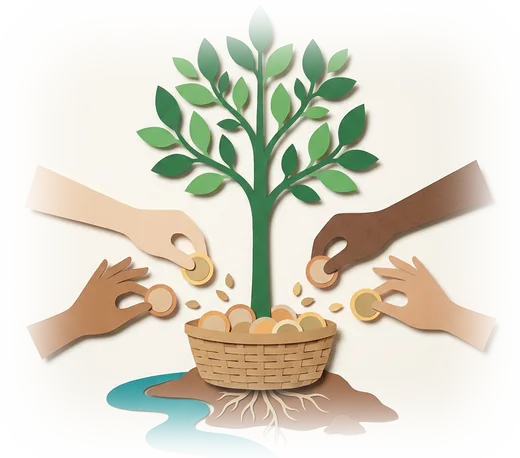
To support the mobilization of biodiversity finance for the implementation of the Global Biodiversity Framework.
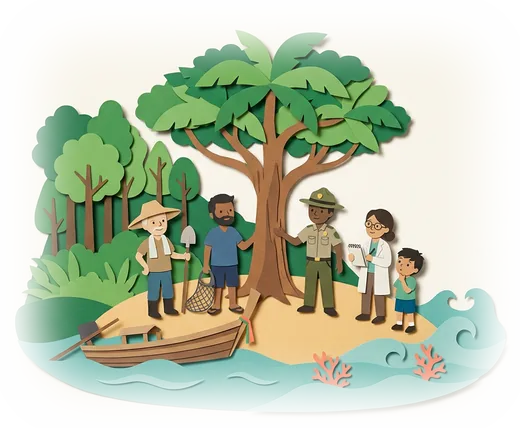
To create and convene taskforces for the implementation of GBF and national biodiversity targets.
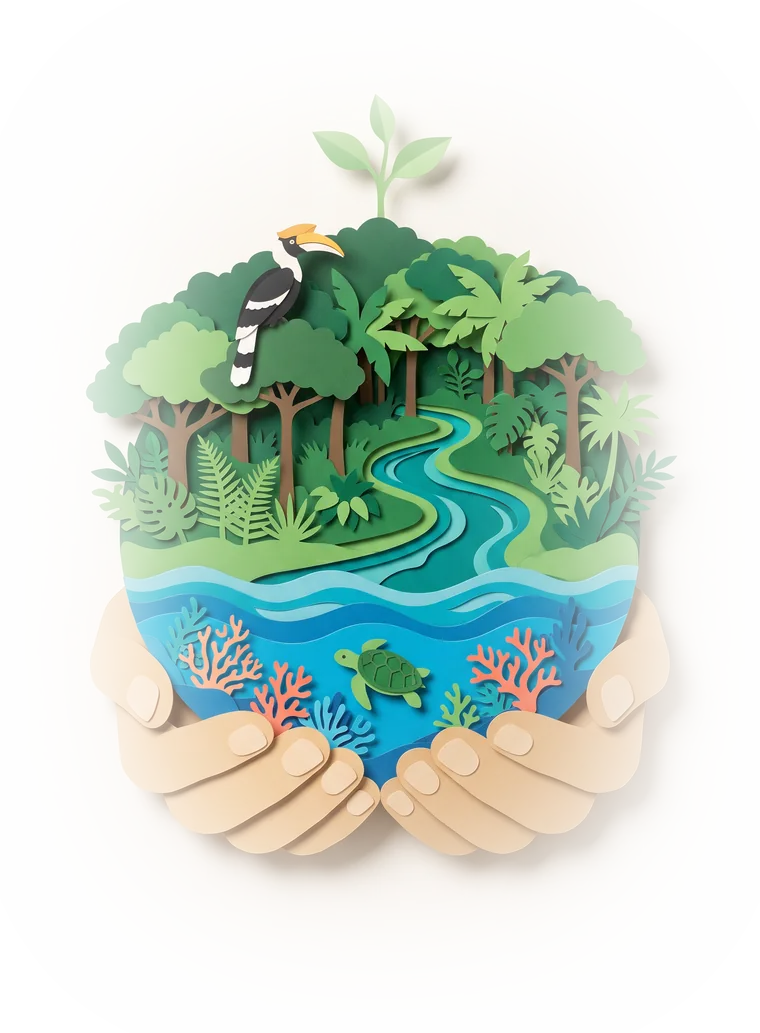
We pledge to collaborate and support the efforts to protect, conserve and restore Thailand's land, waters, and wildlife, which are precious resources that support and sustain the nation's livelihood.
We commend Thailand's decision to adopt the 30x30 goal and join other nations around the globe in this mass conservation effort by joining as a steward to do what we can, using these initial guidelines:
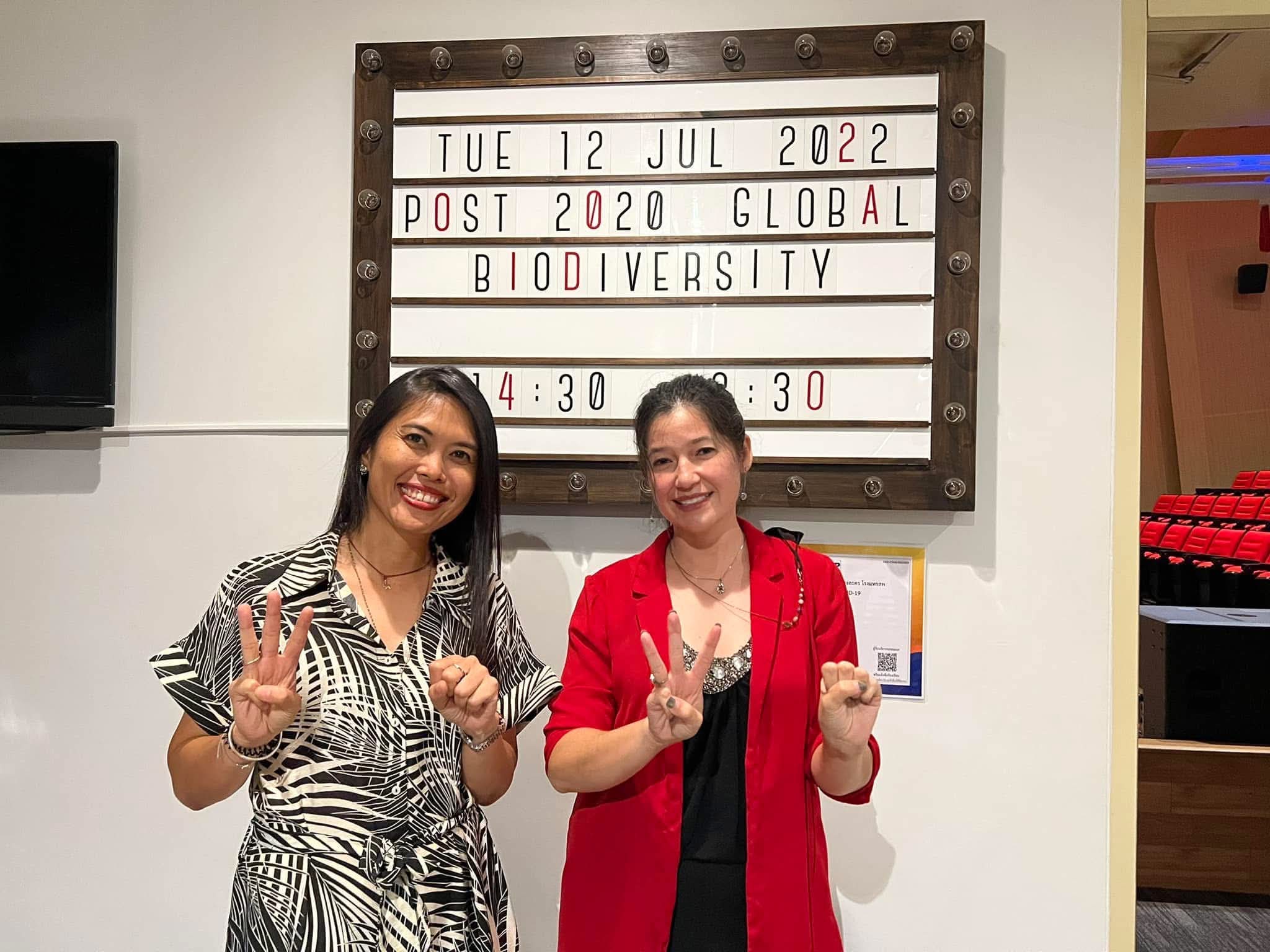
12 July 2022
The roots of the 30x30 Thailand Coalition go back to 12 July 2022, when Siriporn Sriaram and Nancy Gibson of Love Wildlife Foundation spearheaded a landmark public policy dialogue on the Post-2020 Global Biodiversity Framework, with support from Campaign for Nature, the Embassy of France in Thailand, and Thailand's Ministry of Natural Resources and Environment (MNRE). This advocacy helped support Thailand's journey to join the High Ambition Coalition for Nature and People in 2022.
2023
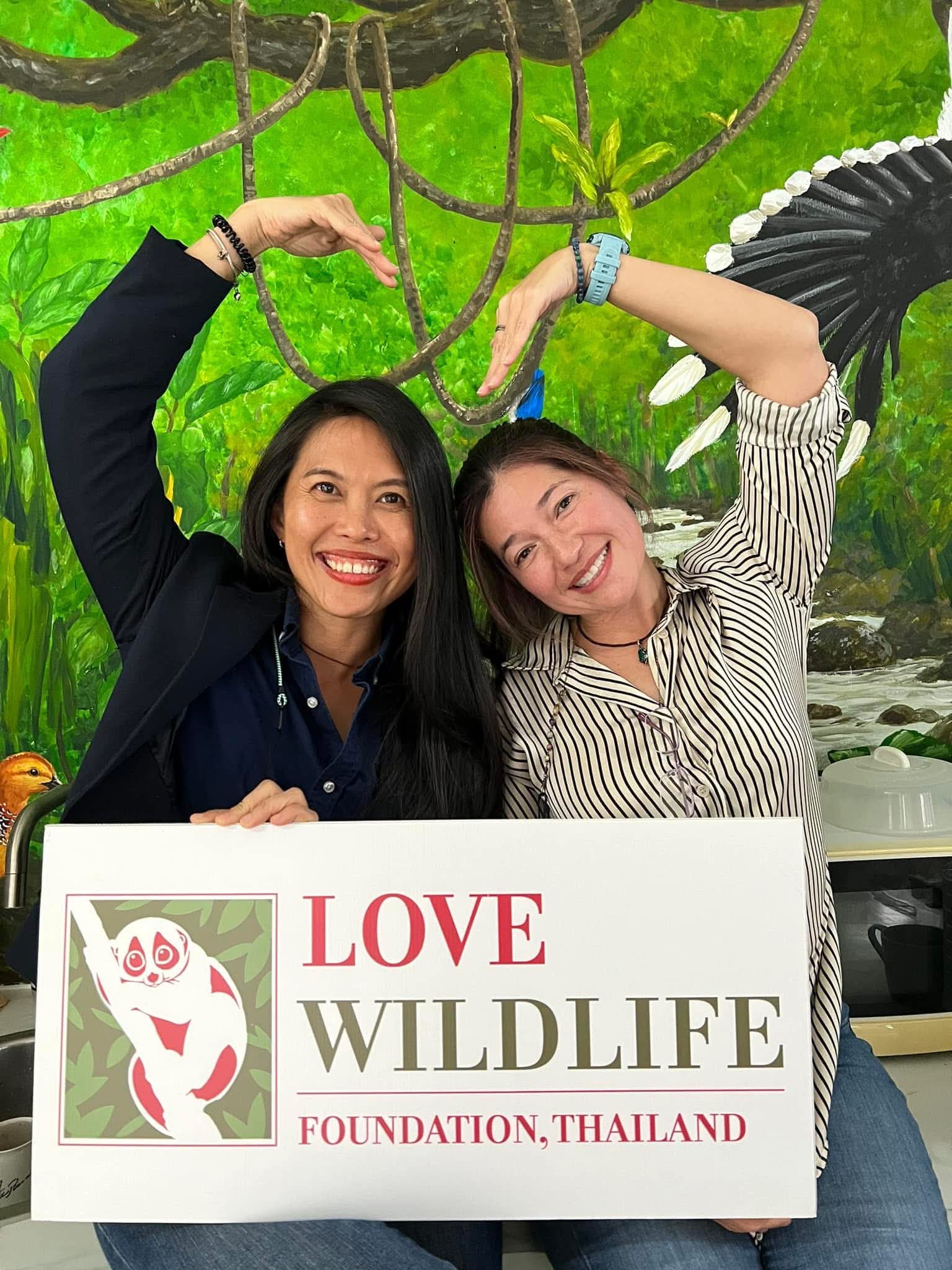
Building on that momentum, the two founded the 30x30 Thailand Coalition in 2023, following the adoption of the Kunming-Montreal Global Biodiversity Framework at COP15. The Coalition brings together partners from civil society, business, and government to accelerate Thailand's progress toward protecting at least 30% of its land, inland waters, and ocean by 2030.
Join us in our ongoing conservation activities and events that bring together communities, experts, and changemakers to protect Thailand's biodiversity.
Two tools connect the people caring for nature on the ground with Thailand's national 30x30 process: a framework for working together on OECMs, and a shared map to find, screen and support conservation sites.
Tool 01
Connecting Local Conservation with Thailand's 30x30 Ambition
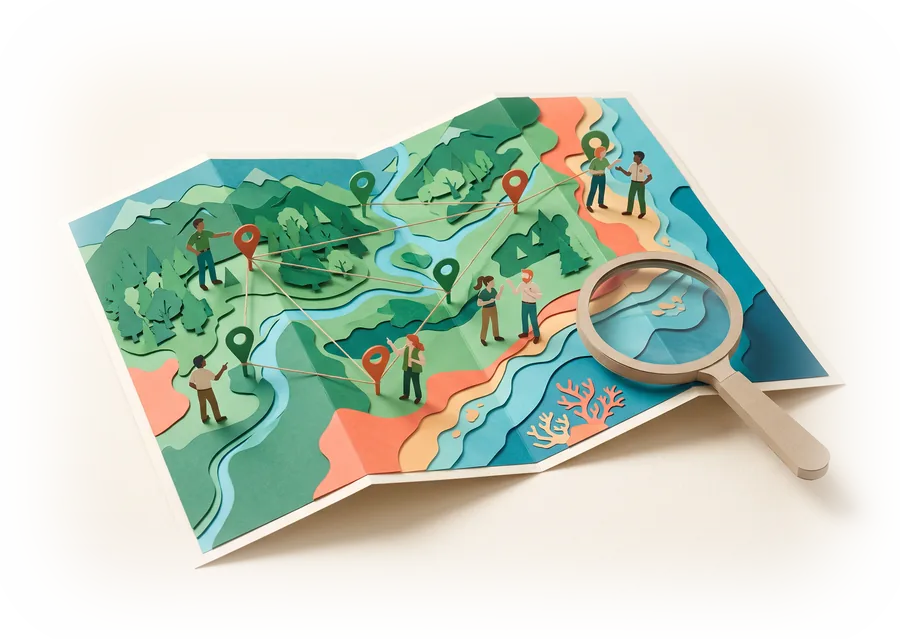
Achieving Thailand's 30x30 ambition depends on connecting national policy with the people and organisations caring for nature on the ground. The OECMs Co-Action Framework, developed by the 30x30 Thailand Coalition through discussions with its members, partners and the Office of Natural Resources and Environmental Policy and Planning (ONEP), provides a practical structure for this collaboration. Its central aim is to ensure that OECM recognition supports effective, lasting stewardship of biodiversity.
Screen potential OECMs
Identify areas with conservation potential and gather initial information about their boundaries, biodiversity, existing management and responsible actors. The 30x30 Co-Map platform supports information collection and preliminary screening.
Strengthen governance, rights and consent
Clarify who manages the area, who holds rights and who uses or depends on its resources. Free, prior and informed consent is a central consideration where applicable.
Assess biodiversity, threats and conservation outcomes
Combine scientific evidence with local and traditional knowledge to establish a baseline, identify threats and define conservation outcomes to monitor.
Strengthen management effectiveness
Address gaps through technical advice, capacity-building and practical improvements, while supporting the leadership of legitimate site managers and communities.
Assess OECM readiness
Review the site's evidence and management arrangements against ONEP's national OECM criteria. Readiness assessment does not itself confer OECM recognition.
Support long-term management
Establish the resources, incentives, skills and monitoring needed to sustain conservation. Planning for it should begin early and continue after recognition.
Connect sites with formal recognition and policy pathways
Help ready sites prepare and submit information through the relevant national procedures, while communities and site managers retain a leading role.
Across every step
Consistent communication: shared terminology, accessible guidance and clear responsibilities.
Formal OECM recognition remains within ONEP's national process; the Coalition helps sites prepare for it.
Other Effective Area-based Conservation Measures (OECMs) offer a pathway for recognising areas outside protected areas that deliver sustained conservation outcomes. The framework helps communities, civil society organisations, researchers, businesses and public agencies contribute—from identifying potential sites and strengthening their management to preparing evidence for national consideration and sustaining conservation over time.
To translate this approach into a measurable contribution, the Coalition has proposed an ambition to support conservation across 1% of Thailand's terrestrial, inland water and mangrove area, and 1% of its marine and coastal area. The presentation expresses these as approximately 5,131 square kilometres and 3,235 square kilometres, respectively.
This ambition provides a practical focus for designing joint work between the Coalition and government. It helps partners identify potential sites, coordinate support and strengthen suitable areas towards national consideration. Individual sites must still meet national criteria and complete the relevant recognition process.
Working towards this ambition can also help test and improve cooperation, data collection, community support and monitoring before these approaches are expanded. Coalition members can contribute through their technical expertise, local relationships and resources, linking their work to a shared national direction.
The framework brings together seven steps. These form an adaptable pathway: identifying gaps may require partners to revisit governance, collect further evidence or improve management.
1. Screen potential OECMs. Identify areas with conservation potential and gather initial information about their boundaries, biodiversity, existing management and responsible actors. Communities and site managers can contribute knowledge of places they already conserve. The 30x30 Co-Map platform supports information collection and preliminary screening, helping partners identify areas for further investigation and assistance.
2. Strengthen governance, rights and consent. Clarify who manages the area, who holds rights and who uses or depends on its resources. Support meaningful participation, transparent decision-making and fair benefit-sharing, including the participation of groups whose voices may otherwise be overlooked. Free, prior and informed consent is a central consideration where applicable, helping ensure that participation rests on informed decisions and respect for rights.
3. Assess biodiversity, threats and conservation outcomes. Document the habitats, species and ecosystem functions the area supports. Combine scientific evidence with local and traditional knowledge, subject to appropriate consent, to establish a baseline. Identify threats and define conservation outcomes that management can maintain or improve, creating a basis for monitoring progress.
4. Strengthen management effectiveness. Examine whether management arrangements can deliver those conservation outcomes. Consider responsibilities, management practices, skills, resources and responses to threats. Partners can help address gaps through technical advice, capacity-building and practical improvements, while supporting the leadership of legitimate site managers and communities.
5. Assess OECM readiness. Review the site's evidence and management arrangements against ONEP's national OECM criteria. Identify what is sufficiently documented and what requires further preparation, such as biodiversity information, governance arrangements or monitoring capacity. This assessment guides support and referral into the national process. Readiness assessment does not itself confer OECM recognition.
6. Support long-term management. Establish the resources, incentives, skills and monitoring arrangements needed to sustain conservation. Use monitoring findings to adapt management as conditions change. Although presented as the sixth step, planning for long-term management should begin early and continue throughout site preparation and after recognition.
7. Connect sites with formal recognition and policy pathways. Help ready sites prepare and submit information through the relevant national procedures. The Coalition can coordinate technical support and facilitate communication, while communities and site managers retain a leading role in presenting their areas. Lessons from participating sites can also inform policy discussions, financing approaches and improvements to implementation.
Consistent communication runs across all seven steps. Shared terminology, accessible guidance and clear information about responsibilities help communities, supporting organisations and government work together.
The framework builds on direct engagement with ONEP, the institution hosting Thailand's national focal points for the Convention on Biological Diversity (CBD).
At the meeting on 21 July 2026, ONEP's Deputy Secretary-General supported, in principle, the Coalition's contribution to advancing 30x30. The minutes identify practical roles for the network: finding potential sites, collecting and checking field information, conducting preliminary readiness screening, helping communities prepare documentation and forwarding information into the national process. They also record the Coalition's proposed 1% ambition for collaboration.
ONEP's guidance helped shape CO-MAP's intended role as a pre-screening tool, with readiness levels and expert verification supporting site preparation. The 20 August 2026 workshop developed these discussions into a draft Co-Action Framework, including attention to community rights, monitoring, incentives and sustained management, alongside plans for further discussion with ONEP.
These records establish a credible basis for collaboration: ONEP supported the Coalition's enabling role in principle, while the framework was being developed for further joint consideration. They do not establish formal endorsement of the completed framework. Formal OECM recognition remains within the national process involving ONEP and the relevant committee; the Coalition helps sites prepare for that process.
Target 3 of the Kunming–Montreal Global Biodiversity Framework calls for at least 30% of terrestrial and inland water areas, and marine and coastal areas, to be effectively conserved and managed by 2030. It also requires ecological representation, connectivity, equitable governance and respect for Indigenous Peoples' and local communities' rights.
The Co-Action Framework offers a practical way to support these ambitions in Thailand. Its shared 1% ambition gives partners a measurable focus, while the seven steps connect area identification with the evidence, rights, management capacity and resources needed for lasting conservation.
For ONEP, this approach can support a better-prepared pipeline of potential sites. For communities, civil society and other interested actors, it provides a clearer route to contribute in alignment with national criteria. By connecting local stewardship with national processes, the framework can help Thailand expand effective conservation while strengthening the participation of the people who sustain it.
Tool 02
Building a Shared Pathway towards Thailand's 30x30 Goal
Across Thailand, communities, civil society organisations, businesses and academic institutions are contributing to biodiversity conservation. Connecting these efforts with national processes is essential to advancing the country's 30x30 ambition. 30x30 CO-MAP, developed by the 30x30 Thailand Coalition with JAK Reward Technology, aims to provide that connection through a collaborative mapping, data and pre-screening platform.
Data Hub & Gap Analysis
To map and visualize conservation projects via dashboards, enabling strategic gap analysis and identification of priority areas.
Effective Matchmaking
To efficiently match project needs with expertise and funding, promoting collaboration and reducing duplication.
30x30 Tracking & Momentum
To enable the Coalition to measure, track, and report progress toward Thailand's 30% conservation target, aligned with international indicators to support strategic decision-making.
Phase 1
Core Platform & Project Registration (MVP)
For: Alliance / 30x30 Ocean Partners
Phase 2
GIS Integration & Strategic Intelligence
For: Policy-makers / Donors
Phase 3
Strategic Monitoring & Tracking
For: Policy-makers / Donors
Phase 4
Expansion Beyond Marine
For: Government / 30x30 Thailand Coalition
Phase 5
Technical Data → Public Narrative
For: Public / Media / Youth / Communities
CO-MAP brings together information on conservation initiatives, participating organisations and potential conservation sites. Its objectives are to identify promising areas and gaps in conservation efforts, connect projects with expertise and funding, and support the tracking of progress towards conserving at least 30% of land and sea by 2030. Beginning with marine and coastal initiatives, its roadmap envisages expansion across other ecosystems.
30x30 CO-MAP's proposed pre-screening function has emerged from discussions between the Coalition and the Office of Natural Resources and Environmental Policy and Planning (ONEP), alongside consultation with Coalition partners.
At the consultation on 21 July 2026, ONEP's Deputy Secretary-General supported the Coalition's role in preparing potential sites for consideration through the national OECM process. The discussion specifically supported classifying sites by readiness within 30x30 CO-MAP and recommended expert field verification before referral. It also identified a potential mentoring role for ONEP in helping communities understand the assessment criteria.
The 20 August 2026 Coalition workshop, which included participation from ONEP, translated this direction into more practical proposals. Participants proposed incorporating a preliminary checklist based on ONEP's eight OECM criteria, together with readiness categories to help users understand their site's position and support needs. They also emphasised accessible guidance, community-led identification of sites, and assistance for areas requiring further preparation.
Together, these discussions establish a credible basis for 30x30 CO-MAP's development: its pre-screening role responds to needs identified through dialogue with the national authority and organisations working directly with conservation sites. The proposed approach uses national criteria as its foundation and supports preparation for the government's recognition process.
This foundation creates an opportunity for 30x30 CO-MAP to develop into a national pre-screening platform endorsed by ONEP, subject to further agreement on procedures, responsibilities and data governance. Formal OECM recognition remains within ONEP's processes and the relevant committees; official national and international OECM information must be verified and released through ONEP.
For ONEP, 30x30 CO-MAP could provide a more organised pipeline of potential sites, with clearer information on biodiversity value, boundaries, governance, management and readiness. Identifying evidence gaps early could help direct technical support and field verification where they are most needed.
For communities and other interested actors, the platform could offer a clearer entry point into the national pathway. Users could understand the criteria, document existing conservation efforts, identify gaps and connect with partners who can help address them. The workshop's emphasis on mentoring means pre-screening can support improvement, giving promising sites practical next steps towards readiness.
By connecting local action with national requirements, 30x30 CO-MAP could strengthen both the scale and quality of Thailand's conservation efforts. Its value lies in helping stakeholders work towards a shared pathway—one that recognises community contributions, strengthens evidence and supports effective, equitable and lasting progress towards 30x30.
The 30x30 Thailand Coalition brings organisations and communities together to advance effective, equitable and lasting biodiversity conservation. Our taskforces connect work in different landscapes with the knowledge, policy support and finance needed to sustain it.
These 12 profiles introduce established collaborations and emerging areas of work. Each explains the purpose, current activities or development priorities, intended contribution and opportunities for partners to participate. The focal point identifies the coordinating organisation or partners, rather than an individual contact unless specified.
The 30x30 ambition concerns conservation of at least 30 per cent of land, inland waters, and coastal and marine areas by 2030. OECMs are other effective area-based conservation measures: areas outside protected areas that meet the relevant criteria for delivering sustained biodiversity conservation. A potential site or an interest in applying does not establish OECM recognition.
Taskforce 01
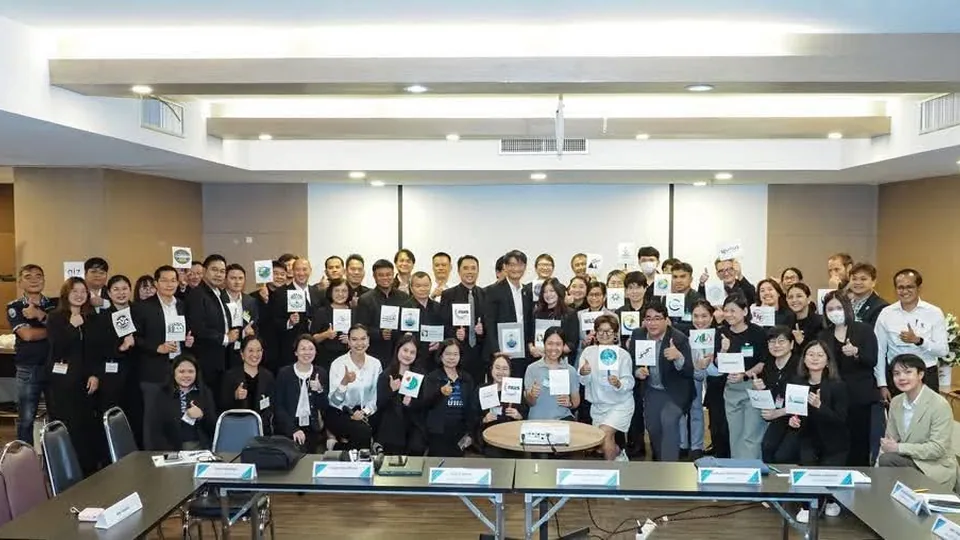
The Ocean Strategy brings government agencies, coastal communities, civil society, researchers and businesses together to advance effective and equitable marine conservation. Working with the Department of Marine and Coastal Resources (DMCR), we connect experience from coastal areas with national policy, so that Thailand’s marine contribution to 30x30 is supported by practical plans, shared information and sustained investment.
Our goal is to strengthen the coordination and policy conditions needed for long-term conservation of marine and coastal ecosystems, with communities able to participate meaningfully in decisions affecting their resources and livelihoods.
We are working with DMCR and the Office of the Public Sector Development Commission (OPDC) on the Open Government Partnership (OGP) National Action Plan process for fair and sustainable marine area management.
The draft framework covers five areas: open government data, marine spatial planning, locally managed marine areas (LMMAs), sustainable finance, and an assessment system. The proposed geographic focus includes Phang Nga, Krabi, Phuket, Trang and Satun.
The wider strategy seeks an agreed national ocean roadmap and stronger coordination among agencies and partners. Shared data, community capacity and monitoring are priorities for translating policy into implementation.
The intended result is a clearer route from community conservation to public decision-making, supported by more coherent planning and evidence of ecological and social outcomes. LMMAs and other effective area-based conservation measures (OECMs) are potential tools where local conditions and the relevant criteria support their use.
Partners can contribute expertise or funding for participatory planning, marine data systems, community facilitation, monitoring and sustainable finance. Support for coordination would help partners turn the draft action framework into jointly delivered work.
Taskforce 02
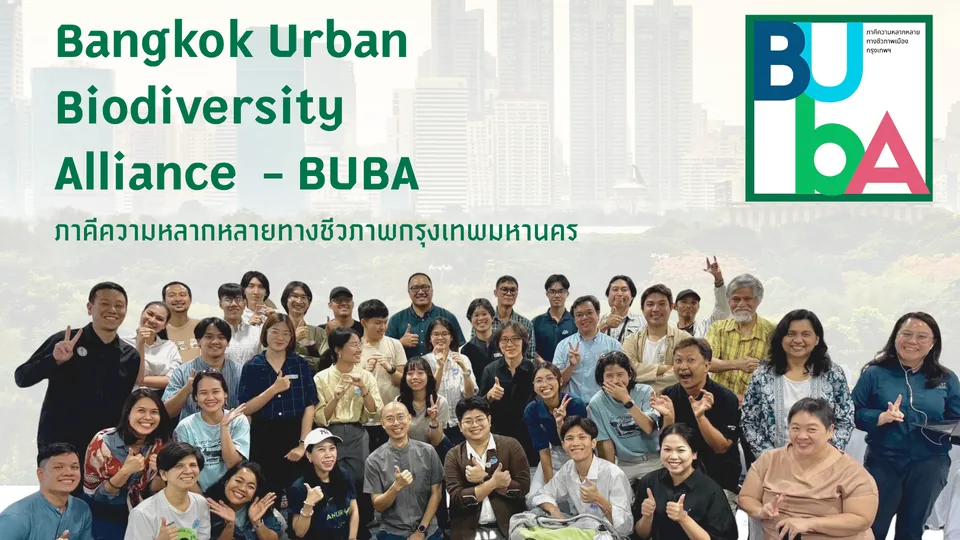
The Bangkok Urban Biodiversity Alliance (BUBA) connects the Bangkok Metropolitan Administration (BMA) with researchers, community groups, businesses and civil society to make biodiversity part of how Bangkok plans and manages the city. We bring local knowledge and ecological evidence into discussions about parks, canals and other urban spaces, while helping residents understand and care for the nature around them.
BUBA aims to support a Bangkok Local Biodiversity Strategy and Action Plan (LBSAP), improve access to biodiversity information, and demonstrate how urban development can support habitats and people’s well-being.
Partners are discussing a shared planning framework and ways to connect citizen-science records with the information used by BMA. This includes exploring how biodiversity can inform urban planning and infrastructure management.
The Lumpini Park nature interpretation signage pilot is under development to make existing ecological knowledge accessible to park visitors and support learning about relationships among species and habitats.
Activities include citizen-science engagement, such as City Nature Challenge, and discussions on demonstration sites and ecological connections through the city. Funding proposals are being developed to support the wider programme.
Better information and a shared plan could help Bangkok manage green spaces for habitat quality as well as public use. Demonstration projects can show how biodiversity supports learning, recreation and resilience, while providing experience that other urban areas can adapt.
We welcome expertise in urban ecology, biodiversity data, landscape management and public communication. Donors and businesses can support the signage pilot, citizen science, planning and habitat demonstrations, with outcomes defined jointly with BMA and local partners.
Taskforce 03
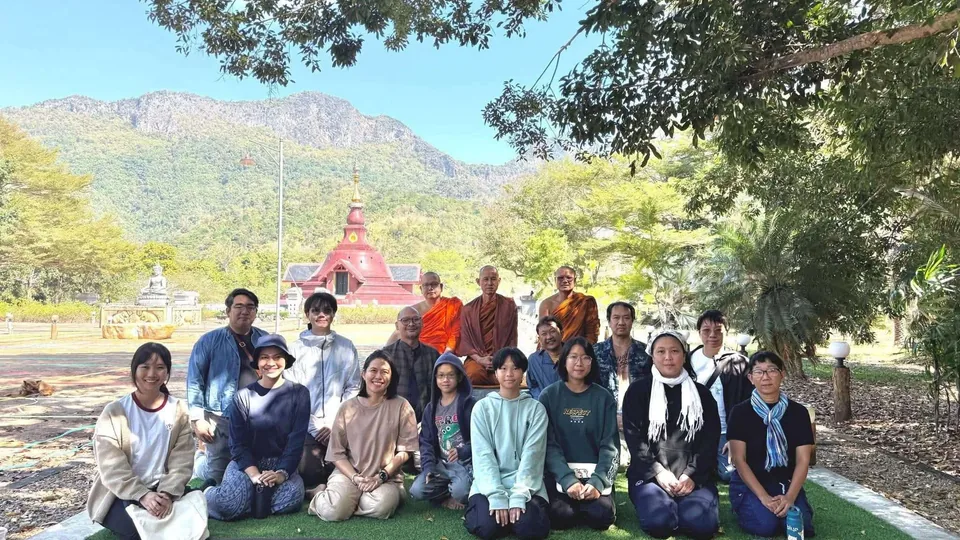
The Forest Temple taskforce explores how forest temples can sustain biodiversity while supporting education, religious practice and spiritual connection with nature. The pilot at Wat Pa Sunantha in Kanchanaburi is developing practical ways for temple communities, neighbouring schools and conservation partners to learn about and care for the living landscapes around them.
We aim to help participating temples understand their biodiversity, strengthen stewardship and assess whether their areas could qualify as OECMs. The approach respects each temple’s existing purpose and management arrangements.
The pilot has begun educational activities, youth camps and engagement with nearby schools. Its phased approach combines site assessment with the development of learning activities and technical partnerships.
Further work is needed to document species, identify species of conservation interest, clarify land tenure and assemble information relevant to the Office of Natural Resources and Environmental Policy and Planning (ONEP) assessment process.
A biodiversity database is a priority. The longer-term ambition is to share the approach through a forest-temple network of approximately 1,200 temples, expanding gradually as interest, technical capacity and resources allow.
The pilot could demonstrate how religious institutions contribute to lasting habitat conservation and environmental learning. A documented approach would help other temples assess their own opportunities without assuming that every site will meet OECM criteria.
Support is needed for biodiversity surveys, database development, ecological advice and locally appropriate learning materials. Research institutions and conservation specialists can help temples build the evidence and monitoring capacity required for long-term stewardship.
Taskforce 04
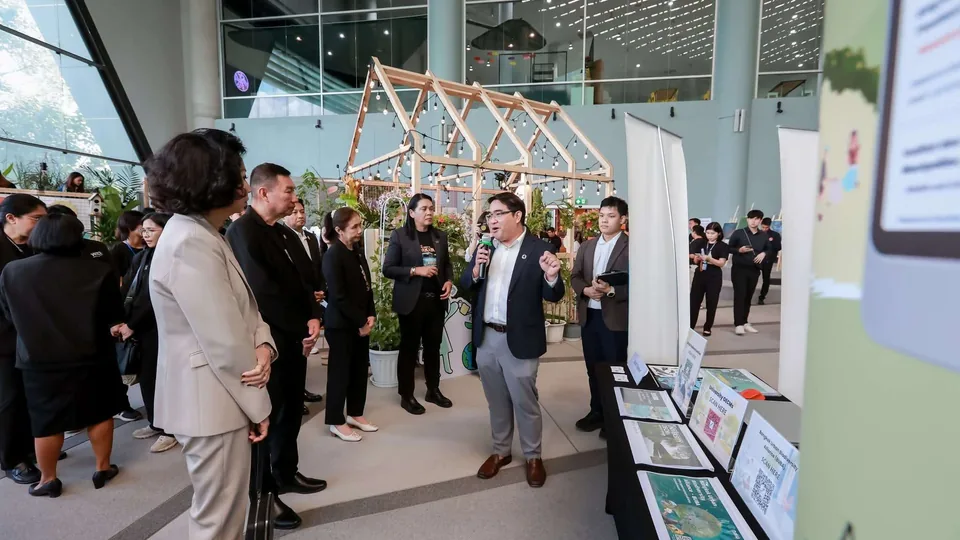
The University OECMs taskforce helps universities connect the conservation of their own land with research, teaching and institutional sustainability. University forests and field stations can support biodiversity over long periods, while offering places to test monitoring methods and train future conservation practitioners.
Our goal is to develop a practical OECM pathway for university land through shared assessment tools, biodiversity evidence and GIS mapping, alongside incentives that support long-term stewardship and peer learning.
The programme reference records that, on 22 September 2026, ONEP agreed that Mahidol University’s Kanchanaburi Campus and Wang Nam Khiao Forestry Student Training and Research Station have potential to qualify as OECMs. This indicates potential suitability, rather than completed registration.
The programme is developing university-specific screening and assessment templates, site maps and baseline information covering biodiversity, boundaries and management arrangements. Its phased design moves from identifying potential sites to testing assessment and registration processes with ONEP.
Policy engagement has included discussions with higher-education and research institutions. Further work explores links with sustainability reporting and rankings, research support and conservation incentives, without assuming automatic benefits from OECM recognition.
A proposed next phase explores private-sector and fund support, including opportunities for universities to mentor other sites. Peer learning would address monitoring tools, budgets and embedding conservation in institutional planning.
The programme could establish a repeatable pathway for university conservation areas, strengthen biodiversity evidence for national planning and build a network able to support other land stewards. Intended outputs include assessment templates, candidate-site GIS maps and policy recommendations.
Universities and researchers can contribute candidate sites, ecological evidence and monitoring expertise. Funders and businesses can support assessment, long-term management and mentoring. Opportunities for co-funding and institutional incentives remain subject to agreement and demonstrated conservation outcomes.

Taskforce 05
The Policy Advocacy taskforce connects practical conservation challenges with opportunities to improve laws, regulations and public incentives. We draw on issues raised by Coalition partners to identify changes that could make biodiversity stewardship easier to sustain and finance.
Our goal is to help public policy support conservation in practice, using evidence from sites and partner experience to inform feasible proposals and dialogue with the responsible institutions.
The Coalition’s Director serves as a Member and Secretary of the Subcommittee on Rapid Regulatory Reform for the Natural Resource-Based Economy. This role provides a strategic channel for identifying and addressing legal and regulatory barriers to biodiversity conservation and sustainable investment.
For example, one of the priorities under discussion is how land-tax incentives could better support land maintained for OECM incentives for green space and biodiversity. This involves examining implementation barriers and the evidence needed for policy proposals.
Other issues identified for exploration include LMMA governance, provincial boundaries and regulatory obstacles raised by partners. Follow-up themes from regional dialogue include ocean governance, climate adaptation and sustainable tourism.
The intended contribution is a more workable policy environment for conservation, with clearer incentives and fewer avoidable administrative barriers. Progress would depend on evidence, engagement with affected groups and decisions by the responsible authorities.
Legal specialists, policy researchers, public agencies and affected land stewards can contribute concrete cases and analysis. Support for consultation and policy research would help turn recurring implementation problems into specific proposals for consideration.
Taskforce 06
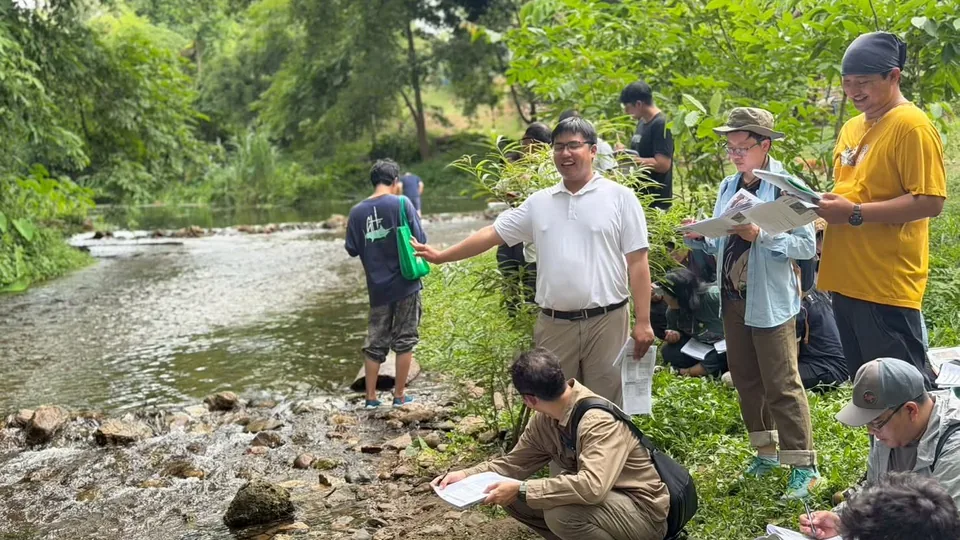
River Guardian is an emerging collaboration focused on riverine forests and wetland landscapes in central Thailand. Initial interest centres on sites in Ayutthaya and the Bang Pakong basin, where partners see a need to strengthen conservation of remaining lowland habitats and connect local stewardship with wider river management.
The taskforce aims to develop a coordinated approach to river and floodplain conservation, bringing ecological knowledge, community experience and the responsibilities of public agencies into a shared programme.
Interested partners have prepared an initial roadmap, but a funded implementation programme and dedicated secretariat have not yet been established.
The Coalition has opened discussions with the Department of Water Resources about possible cooperation. The timing and scope of any government-supported work remain to be agreed.
The next proposed steps are to assemble a delivery team, agree priority sites with local partners and refine the roadmap into activities that can attract support. Baseline information and an assessment of local governance would help determine which conservation tools are appropriate.
There is strong potential to expand collaboration with partners in the Mekong River Basin across northern and northeastern Thailand, particularly through community-based conservation networks and youth networks. Initial discussions have taken place, with broad agreement in principle. However, further progress will require additional funding support and a more clearly defined project pipeline.
If resourced, River Guardian could strengthen protection and management of riverine habitats, improve connections between site stewardship and basin planning, and make overlooked freshwater conservation needs more visible to decision-makers and donors.
Early support would help establish coordination capacity and prepare initial site work. Potential contributions include wetland ecology, participatory mapping, community facilitation and project design. Partners would help shape an implementable programme with clear responsibilities and locally agreed outcomes.
Taskforce 07
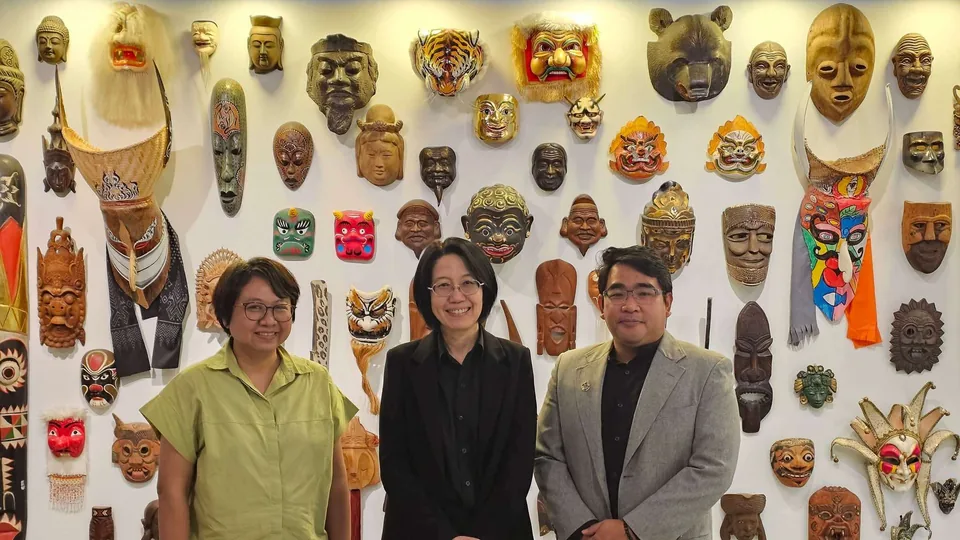
This emerging taskforce seeks to support ethnic communities whose knowledge and stewardship contribute to biodiversity conservation. We are exploring how OECMs could help recognise conservation already taking place in community landscapes, alongside dialogue on the relationship between ethnic-community legislation and conservation laws.
Our goal is to identify practical pathways through which communities can sustain their conservation practices, participate in decisions and gain appropriate recognition, while clarifying legal and institutional constraints.
Discussions with SAC are planned to identify places where cooperation can move from policy discussion to practical work and to examine how different legal frameworks interact.
Future work could document community stewardship, assess site suitability and develop lessons for conservation recognition. The scope and approach would need to be agreed with the communities and relevant partners before implementation.
The taskforce could improve understanding of how conservation mechanisms can support community stewardship and make legal barriers visible. Its intended contribution is a more equitable route to conservation recognition that respects community priorities and knowledge.
We welcome partners with experience in community facilitation, anthropology, legal analysis and biodiversity documentation. Support for community participation and jointly designed case studies would help determine whether and how OECMs can serve local conservation goals.
Taskforce 08
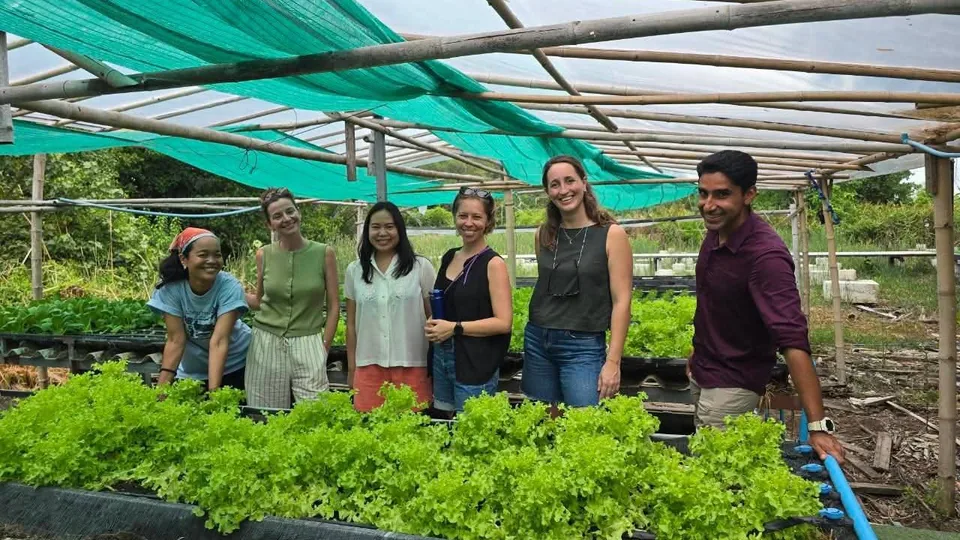
The Traditional Agriculture taskforce explores how working agricultural landscapes can sustain biodiversity and local livelihoods. It focuses on citizen-led opportunities that may be overlooked by existing conservation programmes, including traditional orchards, urban farming spaces and agricultural systems grounded in local ecological knowledge.
We aim to identify which practices and governance arrangements deliver lasting biodiversity benefits, and explore suitable recognition and support, including OECMs where the relevant criteria can be demonstrated.
Initial discussions cover traditional fruit gardens in Nonthaburi and Chachoengsao, where biodiversity information is already available. Gardens with multiple owners offer an opportunity to explore collective conservation arrangements.
Other potential participants include privately owned agricultural learning and café spaces in Bang Mod, and organic or geographically distinctive crop groups with knowledge of biodiversity, microorganisms and local production systems.
Participating groups already operate their own activities, including commercial production, but the taskforce does not yet have a dedicated secretariat. Further work is needed to agree coordination, assess conservation evidence and identify common support needs.
This work could help retain biodiversity within productive landscapes and strengthen recognition of farmers’ stewardship. It could also clarify when conservation tools are appropriate in agricultural settings and how market participation can support continued care for local ecosystems.
Support is welcome for coordination, farm biodiversity assessment, participatory governance and monitoring. Researchers, food businesses and donors can help participating groups develop credible conservation cases and explore market relationships that reward sustained biodiversity outcomes.
Taskforce 09
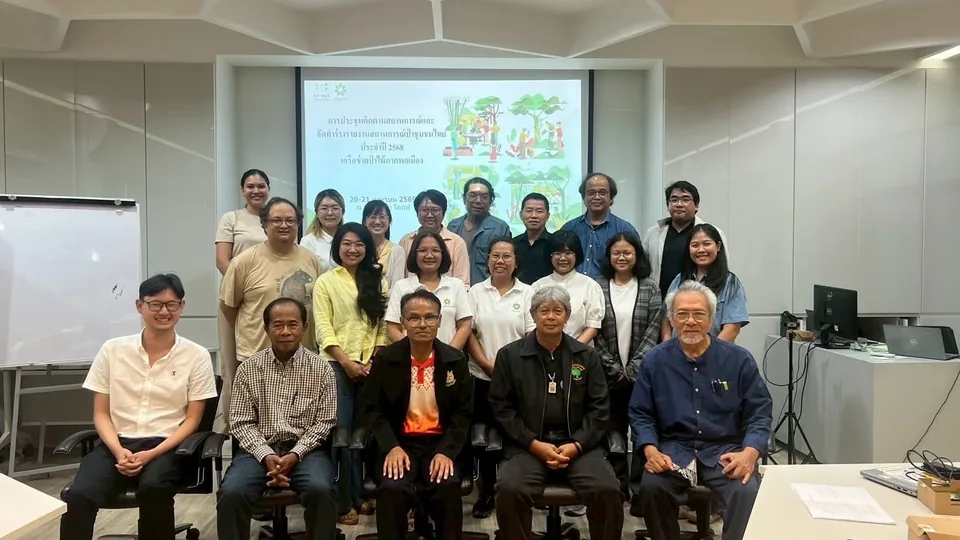
This taskforce connects organisations already supporting community forests and mangroves to explore how their work can contribute to Thailand’s 30x30 ambition. Its starting point is the experience, relationships and site programmes that partners have built with communities over time.
We aim to clarify how community-managed areas can access an appropriate OECM pathway, where eligible, and what additional evidence or management support may be needed to demonstrate long-term conservation outcomes.
RECOFTC and ChangeFusion form part of the current core collaboration. Raks Thai and Thai Rak Pa have been identified as possible additional partners.
Partners continue to work through their own site programmes. The shared question is how those existing activities could connect with OECM processes, including the pathway for community forests.
Proposed joint work includes exchanging experience, identifying candidate areas, clarifying documentation requirements and assessing needs for biodiversity monitoring and management support. Site selection and responsibilities remain matters for agreement among partners and communities.
A practical pathway could make conservation recognition more accessible to community-managed areas while improving the evidence available for national conservation planning. It could also help sustain local management by linking technical support and resources to the needs of communities already caring for forests.
Partners can support biodiversity documentation, participatory planning, monitoring and learning exchanges. Funding that strengthens local management and the shared coordination function would help translate existing partner programmes into well-supported conservation cases.
Taskforce 10
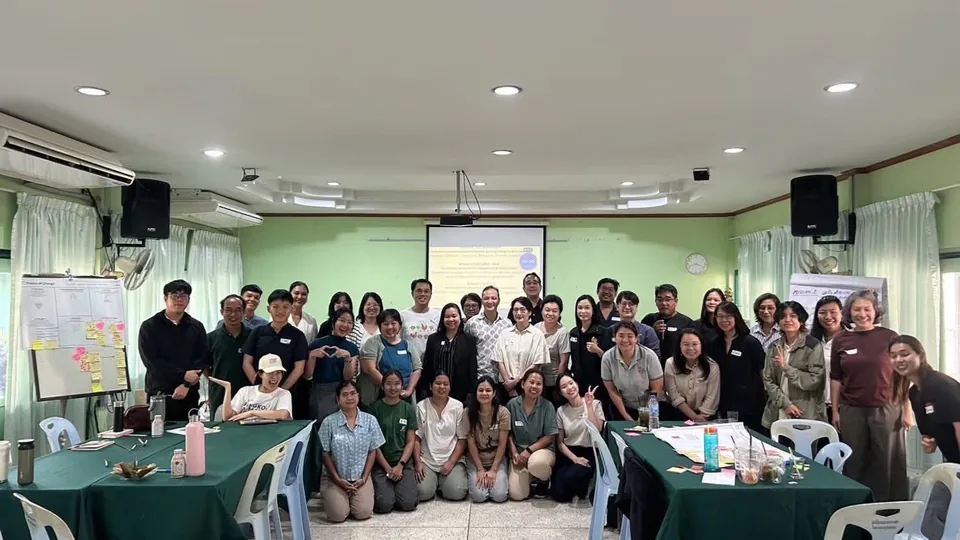
Invest for Nature is a collaborative platform connecting communities, conservation practitioners, funders, businesses, government and knowledge partners. It seeks to make investment in conservation and restoration more sustained, transparent and responsive to local needs, combining ecological science with local knowledge and evidence of social and economic outcomes.
The network aims to strengthen project quality and access to finance, develop shared standards for credible outcomes, and improve public understanding of nature’s contribution to livelihoods and well-being. It also supports dialogue on policies and incentives that can sustain conservation investment.
The July 2026 meeting note and the playbook’s 2026–2027 workplan describe five workstreams: capacity building, project incubation, flagship project scaling, funding mechanisms and enabling policy. Activities include shared tools, proposal development, project preparation and connecting suitable initiatives with funders.
The draft playbook adds community participation in designing indicators, shared knowledge and resource platforms, and flexible funding that reduces administrative barriers. Proposed approaches include community participation in grant selection and monitoring, alongside learning from pilots before expansion.
Public communication is a further priority, connecting nature with livelihoods, health and food security through media partnerships, accessible evidence and local voices. Financing discussions include philanthropy, crowdfunding, corporate support and exploration of payments linked to outcomes; the Community Climate Action Fund remains a development priority in the July meeting record.
The playbook describes a Steering Committee for strategic direction and a Core Team for coordination and learning, with working groups developing specific collaborations. Detailed governance, membership arrangements and parts of the roadmap remain under discussion. Policy work includes conservation incentives and practical policy briefs.
The intended result is better-prepared conservation initiatives, more accessible and sustained support, and greater confidence between funders and practitioners. Shared ecological, social and economic evidence could strengthen accountability and reduce unsupported environmental claims. The platform seeks to build on existing community stewardship while testing which approaches can be expanded responsibly.
Partners can contribute expertise, data, technology, project mentoring or finance. Donors can support coordination, community participation, flexible funding pilots and shared monitoring methods. Businesses and knowledge partners can help develop credible investment guidance and project assessment. The July documents guide development; proposed mechanisms and institutional roles require confirmation before being presented as operational.
Taskforce 11
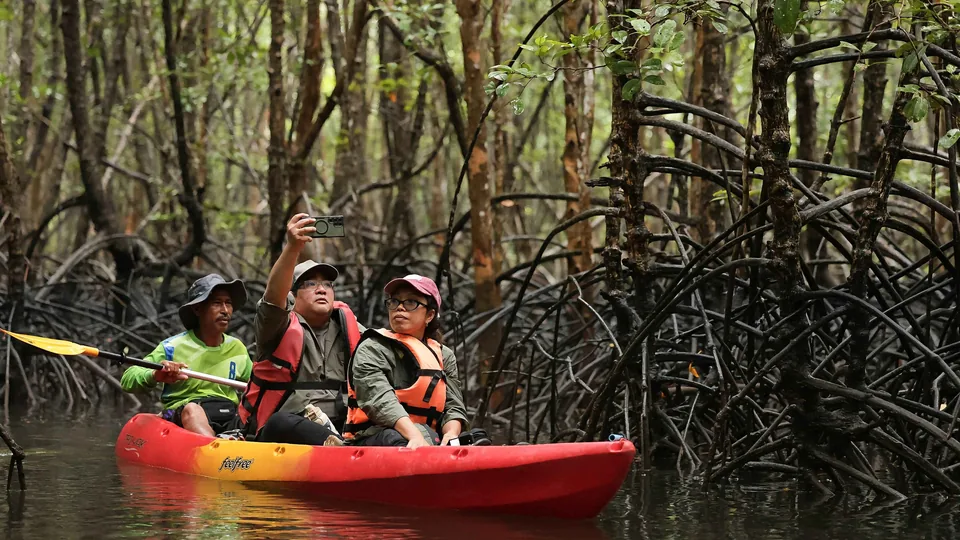
The Thailand Mangrove Alliance (TMA) brings public agencies, businesses, civil society, researchers and coastal communities together to conserve and restore mangrove ecosystems. Supported by Dow Thailand, the alliance connects ecological management with research, community participation and the resources needed to sustain action.
TMA’s roadmap sets an ambition to support conservation and sustainable management of approximately 500,000 rai of Thailand’s existing mangroves by 2030. Its work seeks to improve ecosystem condition while supporting communities whose livelihoods depend on coastal resources.
The shared framework covers five areas: conservation and restoration; research and innovation; education and community participation; community economies; and financial and legal mechanisms.
Proposed activities include improving restoration practice, sharing monitoring methods, developing learning opportunities and supporting community products and services linked to mangrove stewardship.
The alliance is exploring financing options and project development with partners. Concepts involving blue finance, ecosystem services and coastal investment remain at different stages of discussion or preparation; they are not presented here as secured funding or operational credit schemes.
Coordinated support could improve the durability of restoration, strengthen biodiversity monitoring and create more sustained benefits for coastal communities. A shared framework can help funders and businesses support work that addresses ecological needs and local management priorities.
Partners can contribute restoration expertise, research, community capacity development and finance. Opportunities include long-term site monitoring, locally relevant learning programmes and support for community enterprises. Investment and credit concepts require further development and assessment before implementation.
Taskforce 12
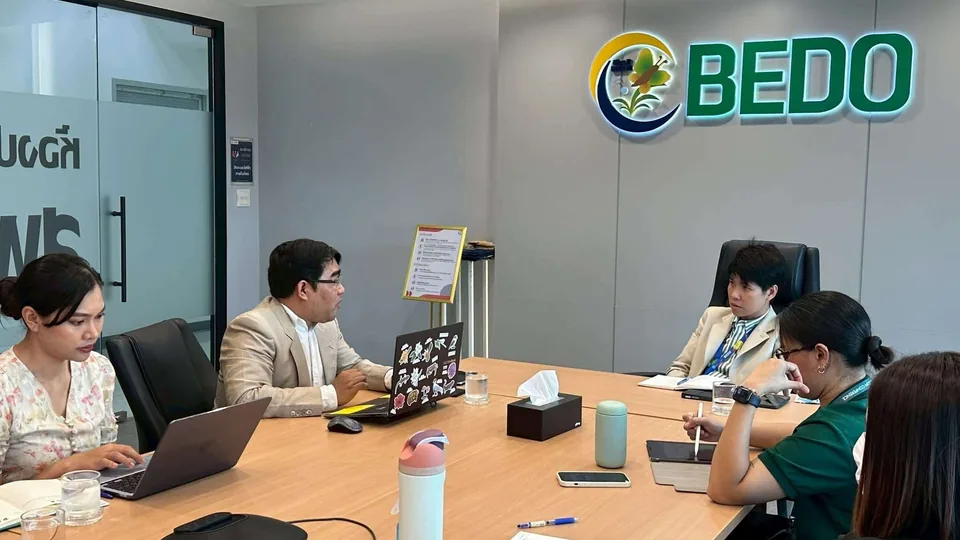
The Thailand Business for Biodiversity Network (TH-BBN) is being developed as a platform for businesses, public agencies, civil society and experts to work together on biodiversity. It aims to help companies understand their relationship with nature and identify practical contributions to Thailand’s National Biodiversity Strategy and Action Plan and the Global Biodiversity Framework.
The network seeks to build business capacity, develop a shared business contribution to national biodiversity priorities and establish a sustainable basis for collaboration and financing.
Partners are discussing membership, coordination arrangements, working groups and a roadmap for business engagement. Knowledge-sharing and capacity-building activities are central to the proposed approach.
The draft concept explores cooperation across existing business and conservation networks, alongside dialogue with government on a national business and biodiversity platform. Formal recognition and governance arrangements remain under discussion.
A proposed seed-financing approach would test the readiness of selected projects and build capacity for investment in nature. Recoverable funding or investment returns could be explored for suitable projects, subject to feasibility, governance arrangements and agreed biodiversity outcomes.
The network could help businesses move towards more informed and coordinated biodiversity action, while connecting conservation priorities with expertise and appropriate finance. Its intended contribution includes stronger business practice and a clearer route for supporting conservation initiatives.
Businesses, financial institutions, philanthropies and technical organisations can help shape the platform, share experience and support capacity building. Early support could develop governance, project assessment and financing pilots. The proposed fund is a concept under development; no financial return or funding availability is implied.

Siriporn Sriaram
Co-founder, 30x30 Thailand Coalition

Nancy Gibson
Co-founder, 30x30 Thailand Coalition
Founder & Executive Director, Love Wildlife Foundation

Peechanit Ketsuwan (Pree)
Director, 30x30 Thailand Coalition

Kittikun Saksung (Bright)
Coalition Coordinator

Pornsak Panyalikit (Boon)
Communication Lead, 30x30 Thailand Coalition

Prof. Dr. Sanit Aksornkoae
Advisor to the Office of the National Economic and Social Development Council (NESDC)

Dr. Wijarn Simachaya
President, Thailand Environment Institute

Prof. Dr. Somsak Panha
Director, Centre of Excellence on Biodiversity

Ven. Napan Santibhaddo
Chair, Institute of Buddhist Management for Happiness and Peace Foundation (IBHAP)

Dr. Weerasak Kowsurat
Senator and former Minister of Tourism and Sports

Prof. Dr. Anchana Prathep
Dean of Faculty of Science, Prince of Songkla University

Assoc. Prof. Dr. Kitichate Sridith
Faculty of Science, Prince of Songkla University

Dr. Saranarat Oy Kanjanavanit
Ecologist & Founder of Nunienoi Wetland & Organic Farm

Dr. Boripat Siriaroonra
President, Green World Foundation

Dr. Pinsak Suraswadi
Director General, DMCR

Dr. Petch Manopawitr
Advisor

Dr. Jittinun R.
Advisor, Biodiversity Policy

Dr. Chavalit V.
Advisor, Species & Ecosystem

Niran N.
Advisor, Biodiversity Finance

Dararat W.
Advisor, Communication

Tunnie S.
Advisor, Environment

Ormboon T.
Advisor, Community Engagement (River)

Martin Venzky-Stalling
Advisor, Systems Thinking, Future-Proofing and Training

Khalid Pasha
Advisor, Act30

Khemupsorn Sirisukha
Advisor, Agriculture
206organisations across Thailand
30x30 Thailand Coalition and its manifesto is supported by
The coalition is a platform for all citizens, all age groups, and is inclusive to all occupations. Individuals, Community-based Organizations (CBOs), Civil Society Organizations (CSOs), NGOs, International Organizations, academia, government agencies, start-ups, and mission-driven enterprises/entrepreneurs who share a common goal to conserve nature.
By joining the coalition, you become part of a growing network committed to protecting Thailand's biodiversity for future generations.
or email info@30x30thailandcoalition.org